The Quiet Revolution of How We Sleep: What a Decades-Old Mattress Maker Teaches Us About Longevity
When we think about disruptive innovation, our minds naturally race to Silicon Valley startups, artificial intelligence algorithms, or sleek electric vehicles. We rarely look at something as mundane as a mattress. Yet, personally, I think there is something profoundly fascinating about businesses that quietly endure for half a century while fundamentally altering how we experience our most basic biological needs. When I look at the journey of companies like Singapore's Four Star Industries—founded way back in 1968 by furniture craftsman Neo Gim Sim—it forces me to rethink what true resilience actually looks like in a volatile global economy.
What makes this particularly striking is the sheer contrast between the ephemeral nature of modern digital trends and the deeply physical, tangible evolution of sleep technology. In my opinion, we often romanticize high-tech disruption while ignoring the slow, deliberate grind of traditional manufacturing adapting to modern realities. A mattress isn't just a slab of foam and springs; it is a quiet witness to our lives, supporting us through burnout, stress, growth, and rest. The fact that a local craftsman's workshop could morph into a regional powerhouse while keeping its core mission intact tells a much larger story about how traditional industries survive the test of time.
Moving Beyond the Spring: The Obsession with Modern Comfort
One thing that immediately stands out about Four Star’s evolution is how they transitioned from traditional hand-tied builds into high-tech sleep solutions like anti-static fabrics, cooling textiles, and chiropedic hybrids. In my view, this shift mirrors a broader cultural awakening regarding wellness and self-care. We are no longer willing to just 'push through' physical discomfort or accept restless nights as a normal tax on being busy.
What many people don't realize is that mattress engineering has quietly turned into a sophisticated blend of materials science and ergonomics. When a company introduces cooling silk layers or memory foam aligned with spinal support, they aren't just selling a luxury product—they are selling relief in an increasingly high-stress world. If you take a step back and think about it, our collective obsession with sleep tracking devices, smart rings, and luxury bedding points to a deep, underlying anxiety about our health. We are sleeping worse than ever, which paradoxically makes the companies designing better mattresses more relevant today than they were fifty years ago. This raises a deeper question: As modern life grows more digitally demanding, will physical sanctuaries like our beds become the ultimate luxury goods of the future?
The Art of Staying Power in a Digital-First World
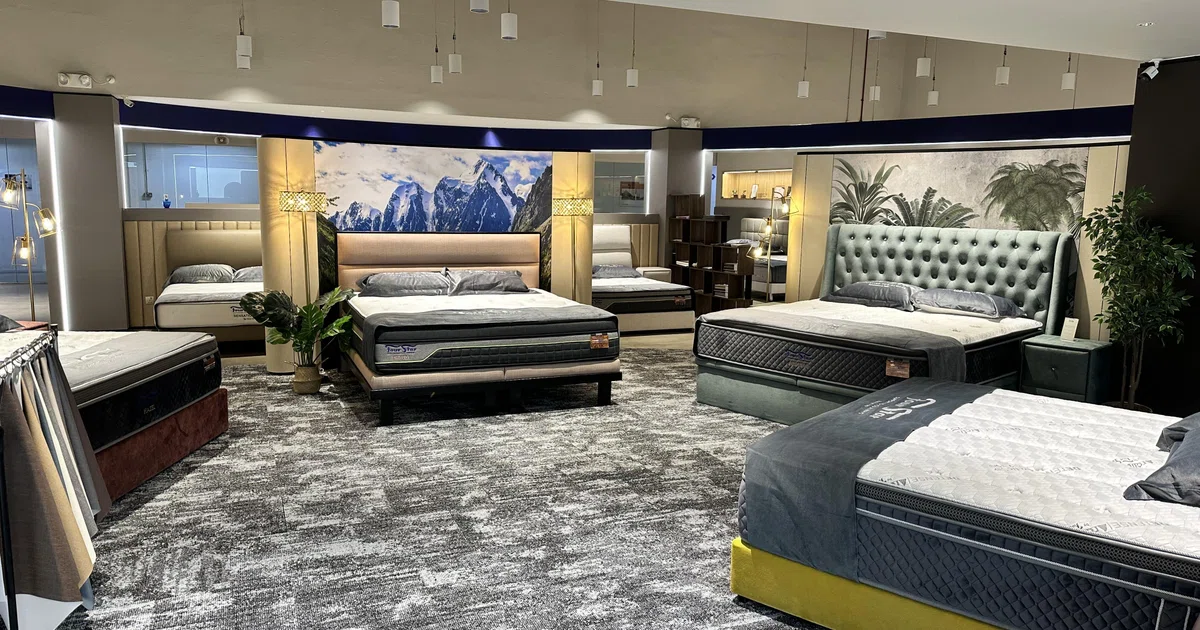
Another detail that I find especially interesting is how legacy brands navigate the tension between digital convenience and physical touchpoints. While Four Star has embraced e-commerce platforms like Shopee and Lazada, they continue to anchor their business in physical galleries and bespoke B2B hospitality partnerships with boutique hotels and co-living spaces.
What this really suggests is that some human experiences simply refuse to be digitized. You can buy a book, a pair of shoes, or even a car online with relative ease, but buying a mattress requires a deeply visceral, physical commitment. People need to lie down, close their eyes, and test the weight distribution before opening their wallets. I believe that brands which manage to bridge the physical-digital divide—offering the friction-free convenience of online shopping alongside the tactile reassurance of a brick-and-mortar showroom—hold a massive competitive advantage. They understand that while technology can streamline the transaction, trust is still built in the physical world through human touch and after-sales care.
The Hidden Engine: Culture as a Strategic Advantage
Whenever business analysts discuss corporate success, the conversation almost always drifts toward revenue models, market penetration, or supply chain logistics. Yet, reading about Four Star’s emphasis on a people-first culture, open communication, and shared purpose reminds me of a vital truth: longevity is rarely just about a great product; it is about the internal ecosystem of the team building it.
A detail that often gets overlooked is how difficult it is to maintain a stable, collaborative workforce across decades of economic shifts. In my opinion, the companies that truly endure are those where the leadership treats internal culture not as an afterthought or an HR checkbox, but as the primary engine of innovation. When employees share a genuine sense of motivation and feel genuinely heard, that psychological safety trickles down into customer service, craftsmanship, and attention to detail. Ultimately, what keeps a 1968-born brand relevant in 2026 isn't just the smart fabrics they invent, but the enduring human alignment behind them.